



















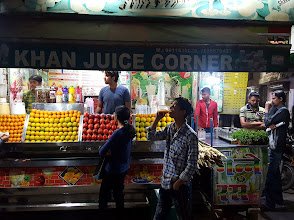








Every June, Delhi Needs a Good Juice Center. Most People Settle for the Nearest One.
When 45°C hits and the andhi dust has been in
the air for two weeks, the juice centers in Delhi do more business in a single
afternoon than most shops do in a week. Every roadside stall, every market
corner, every cart with a blender and a few cut fruits is packed. And most of
them are fine. Some of them are not.
The problem is not the juice. It is what goes
into it and what does not. Tap water instead of RO water in the ice. Pre-cut
fruit sitting open for three hours. A packet concentrate tipped into the
blender behind the counter when the fresh mosambi ran out at noon. You ordered
fresh. You got something else.
In 2026, enough Delhi residents have had one
bad experience a stomach issue that tracked back clearly to a juice stall that
hygiene has become the primary question, not price. The price conversation
still matters. But the hygiene conversation comes first now.
This article tells you what fresh juice should
cost at a legitimate juice center in Delhi, what the hygiene gaps actually
look like, and how to tell the difference before you hand over Rs. 80 for a
glass of something that is not what it claims to be.
Why Trusting a Juice Center in Delhi Is Harder Than It Should Be
The 'fresh juice' that is not fresh.The blender runs, the glass looks right, the colour is perfect. What you did not see was the tetra pack concentrate the vendor tipped in before adding the ice. At Rs. 60 a glass, a concentrate-based pomegranate juice costs the vendor Rs. 8. The margin is extraordinary. The deception is invisible.
Tap water ice in a city where tap water is not drinking quality.Ice is where most juice hygiene problems in Delhi originate. A glass of watermelon juice is 40 percent ice by volume. If that ice is made from unfiltered tap water which it is at a significant share of Delhi's roadside juice stalls you are drinking tap water with a watermelon tint. The fruit is fine. The water is the problem.
The 45°C fruit problem that runs May through late June.Cut fruit sitting in open air at Delhi's peak summer temperatures starts bacterial growth in under two hours. A juice center that preps fruit in bulk at 8 AM and uses it through 2 PM is not serving fresh juice by noon. The vendor knows this. The buyer does not.
Tourist-season pricing that does not come back down.From October through February, Delhi's tourist season drives footfall to every market juice stall in the city. Prices go up Rs. 10 to Rs. 20 per glass during this window. Some stalls keep those prices through March. When you ask, the answer is always 'fruit prices are high.' Sometimes true. Mostly not.
Subscriptions with no accountability.Home juice delivery subscriptions — Rs. 900 to Rs. 1,200 a month for one glass daily sound practical for the summer. Three weeks in, the quality drops. The juice arrives late. The glass size shrinks. There is no formal order history, no review trail, and no recourse because the booking was done over WhatsApp with a vendor who has forty other customers and no incentive to prioritise yours.
The Rajasthani
consumer is not careless. They know what a good aam panna tastes like and they
notice when it is not right. The issue is that by the time you taste it, you
have already paid.
How Servicebazzar.com Fixes This
Hygiene ratings from verified Delhi customers, not anonymous stars.Every juice center on servicebazzar.com carries reviews from customers who placed actual orders. You see specifically whether past customers found the juice fresh, the ice clean, and the portion size consistent before you order.
Concentrate vs. fresh-squeeze clearly disclosed on the listing.Vendors on servicebazzar.com declare their preparation method. A listing that says 'cold-pressed' is different from one that says 'fresh blend.' The distinction that is invisible at the counter is visible on the profile.
Subscription services with a documented order trail.Home juice delivery booked through servicebazzar.com creates a booking record, a delivery confirmation, and a review window after each order. When quality drops, you have a record. When the glass size shrinks, it is documented.
Tourist-season price changes flagged in real time.During October–February, servicebazzar.com shows current pricing not the off-season rate that brought you to the listing. What you see is what you pay today.
Here is what the rest
of this article gives you: the actual 2026 prices for every common juice order
in Delhi, and what to check before you book a stall or a subscription.
Juice Center Cost Guide for Delhi — 2026 Rates
A. What Juice and Fresh Drinks Cost in Delhi in 2026
| Item / Service | Scope / Detail | Estimated Price 2026 |
Fresh Sugarcane Juice (glass) | 250 ml, plain or with ginger/lemon | Rs. 20 – Rs. 40 |
Fresh Watermelon Juice (glass) | 300 ml, chilled, no preservatives | Rs. 40 – Rs. 70 |
Seasonal Fruit Juice (glass) | Mosambi, pomegranate, orange — 250 ml | Rs. 50 – Rs. 90 |
Mixed Fruit Juice / Blend | 3–4 fruits, 300 ml, fresh cut | Rs. 80 – Rs. 130 |
Cold-Pressed Juice (250 ml bottle) | Single fruit or blend, no heat processing | Rs. 120 – Rs. 200 |
Aam Panna (glass) | Raw mango, spiced, chilled — 300 ml | Rs. 30 – Rs. 60 |
Jaljeera / Shikanji (glass) | Lemon-spiced cooler, 300 ml | Rs. 20 – Rs. 45 |
Coconut Water (fresh, with straw) | 1 medium coconut, on the spot | Rs. 50 – Rs. 80 |
Fruit Chaat / Salad (bowl) | Seasonal fruit, masala, chilled | Rs. 60 – Rs. 120 |
Bulk Juice Order (event/office) | Min. 25 glasses, delivered in sealed cups | Rs. 18 – Rs. 35 per cup |
Daily Subscription (home delivery) | 1 juice per day, 30-day plan, 250 ml | Rs. 800 – Rs. 1,500 per month |
What moves the price:
Fruit type matters most pomegranate and coconut cost more than sugarcane or
watermelon regardless of the season. Cold-pressed juice carries a premium
because of equipment and slower prep time. Bulk or subscription orders are
negotiable; always ask for a per-unit rate in writing before committing to a
30-day plan.
B. Choosing the Right Juice Center for Your Need
• For daily fresh juice
at home, a subscription from a verified juice center costs Rs. 800 to Rs. 1,500
per month for one 250 ml glass daily. Get the per-glass rate and the prep
method in writing. 'Fresh squeeze daily' and 'blended from stock' are not the
same product.
• For office or event
bulk orders, most juice centers in Delhi handle bulk orders of 25 glasses and above
with 24-hour notice. Expect Rs. 18 to Rs. 35 per sealed cup for standard fruit
blends. Cold-pressed bulk orders run Rs. 120 to Rs. 180 per bottle and need
48-hour lead time.
• For street-side or
walk-in juice, sugarcane and shikanji remain the most reliably fresh options at any
stall because they are prepared to order with no pre-cut waiting time. Mixed
fruit blends with pre-cut produce carry higher hygiene risk during peak summer
hours.
• Cold-pressed juice is
not automatically healthier, but it is prepared without heat, which preserves
more nutrients. It also costs Rs. 120 to Rs. 200 per bottle versus Rs. 50 to
Rs. 90 for a standard fresh glass. If you are buying for taste or nutrition,
worth knowing. If you are buying to stay cool in 44°C heat, a Rs. 35 sugarcane
glass does the same job.
C. Juice Centers in Delhi's Climate — What Changes Season to Season
• May and June are the
highest-risk months for juice hygiene citywide. The 45°C+ heat
accelerates bacterial growth in pre-cut fruit faster than any other Indian city
at this time of year. A stall that operates at acceptable hygiene standards in
December may not maintain those standards in June when the ambient temperature
doubles the spoilage rate. Judge June quality separately from winter quality.
• Aam panna season is
Delhi's best juice moment. Raw mango arrives from April and the city's aam
panna spiced, chilled, slightly sour is something you do not get this good
anywhere else. A well-made glass from a reputable juice center runs Rs. 30 to
Rs. 60. If it costs Rs. 15, the mango is either overripe or the preparation is
two days old.
• The andhi season from
April through June coats outdoor stalls in fine Thar dust. Open-air juice
preparation cut fruit, glasses, blender tops collects this dust continuously
during andhi season. A juice center that operates with covered prep surfaces
and closed ingredient storage during this window is making a visible
operational choice. One that leaves everything open is not.
• Tourist season drives
up mosambi and pomegranate prices citywide. From October through February, fruit
wholesale prices in Delhi rise with tourist demand. A Rs. 70 mosambi glass in
September is legitimately Rs. 90 in November. Ask for the current price before
ordering, not after.
D. Before You Order — Checklist
1. Ask where the ice comes from. 'We use RO water ice' is the right answer.
'We use block ice from the market' is not block ice in Delhi is almost always
made from unfiltered water.
2. Watch whether fruit is cut to order or pre-cut. Pre-cut fruit sitting in
open air at a summer stall is the single biggest hygiene variable. If you can
see the fruit being cut when you order, that is a good sign.
3. For a subscription, get the per-glass rate, the fruit variety rotation,
and the delivery window in writing even if it is just a WhatsApp message you
screenshot. Verbal subscriptions always drift.
4. During tourist season (October–February), confirm the current price
before the glass is poured. Prices at walk-in stalls in this window are not
posted, and the figure quoted after you have already accepted the glass is a
different negotiation.
5. For bulk event orders, request a tasting sample 24 hours before the
event. A vendor confident in their product will agree. One who resists the
sample request is telling you something.
6. Check that blenders and cutting boards are cleaned between orders, not
at the end of the day. During the June rush, a blender running 200 glasses a
day without cleaning is a hygiene failure that no amount of fresh fruit
compensates for.
Real Questions, Straight Answers
How much does fresh juice cost at a juice center in Delhi in 2026?
Fresh juice at a Delhi juice center runs Rs. 20
to Rs. 90 per glass depending on the fruit, with sugarcane and shikanji at the
lower end and pomegranate or cold-pressed blends at the upper end. Price varies
by location stalls near commercial markets charge Rs. 10 to Rs. 20 more per
glass than the same drink at a neighbourhood center. Cold-pressed bottled juice
runs Rs. 120 to Rs. 200 per 250 ml. During tourist season, most walk-in stalls
citywide price 15 to 25 percent above their April rate.
Is street juice in Delhi safe to drink in summer?
The answer depends entirely on the specific
stall, not the category. A street juice stall in Delhi that uses RO water ice,
cuts fruit to order, and covers its prep surfaces during andhi season is as
safe as any indoor juice bar. One that uses market block ice, preps fruit hours
in advance, and runs open-air during the 45°C heat is not. The preparation
method matters more than whether it is indoors or outdoors. Ask about the ice
source that single question tells you most of what you need to know.
Do juice centers in Delhi offer home delivery subscriptions?
Yes, and the market has grown noticeably since
2024 as post-pandemic hygiene awareness pushed more buyers toward known,
regular suppliers over walk-in stalls. A daily 250 ml subscription runs Rs. 800
to Rs. 1,500 per month depending on the fruit variety and whether cold-pressed
is included. The problem with most Delhi juice subscriptions is they are
booked informally over WhatsApp with no delivery record. When quality drops
after week two, there is nothing to hold the vendor to. Book through a platform
that creates a paper trail.
Why does fresh juice taste different in Delhi in summer versus winter?
Two reasons: fruit quality and water stress.
Delhi's peak summer heat affects the sugar content and water content of
locally sourced fruit mosambi and
watermelon in June taste different from the same fruit in December because of
how the crop develops under extreme heat. The second factor is that many juice
centers switch from RO-filtered water to tap water or market ice during the
June rush when their RO unit cannot keep pace with demand. The juice is
technically the same. The water used for ice and cleaning is not.
Before You Order That Next Glass
Delhi's juice culture is genuinely good. The aam panna alone is worth finding the right stall. The city has vendors who take hygiene seriously, source fruit carefully, and run their blenders clean. They are not hard to find they are just mixed in with the ones who do not.The only thing separating a good experience from
a bad one is the information you have before the glass hits the counter. Juice
centers in Delhi that are worth returning to are the ones willing to answer
two questions: where does the ice come from, and was that fruit cut today.
You now know what the answers should be.
Find a Verified Juice Center on Servicebazzar.com
The next glass you order should come from
somewhere you have already checked.
Verified juice centers in Delhi with real hygiene reviews —from customers who ordered fresh, not anonymous ratings.
Home delivery juice subscriptions with a documented order trail —so quality dips are on record, not just your memory.
Bulk and event juice orders from confirmed Delhi suppliers —with tasting samples and written delivery commitments.
Seasonal pricing updated in real time —no tourist-season surprise when you check out.
Find Verified Juice Centers in Delhi → Servicebazzar.com
Every
listed juice center has been reviewed by Delhi customers on actual orders. No
unverified stalls. No planted ratings.